If you’ve ever tried to stay private online, you’ve probably seen these three options: VPN, proxy, and Tor. They all “hide your IP,” but that’s where the similarity ends.
The real difference comes down to security, speed, and usability—and choosing the wrong one can either slow you down or leave you exposed.
Quick Comparison (What Matters Most)
| Feature | VPN | Proxy | Tor |
|---|---|---|---|
| Encryption | Full (all traffic) | Usually none | Multi-layer encryption |
| Speed | Medium | Fast | Slow |
| Privacy | High | Low | Very high |
| Ease of use | Easy | Very easy | Complicated |
| Price | $2–$5/mo | Free–cheap | Free |
⚠️ Affiliate disclosure: We may earn a commission at no extra cost to you.
🔥 Editor's Picks
Best VPN Deals Right Now
🏆 BEST VPN
NordVPN ⭐ 4.7/5
- 🔒 Military-grade encryption
- 🌍 60+ countries servers
- ⚡ Fast & stable streaming
🔥 Unlock NordVPN Discount
💰 BEST BUDGET
Surfshark ⭐ 4.6/5
- 💸 Cheapest long-term plan
- 📱 Unlimited devices
- 🚀 Great for streaming
💸 Try Surfshark Now
How They Actually Work (Simple Explanation)
Best VPN Deals Right Now
NordVPN ⭐ 4.7/5
- 🔒 Military-grade encryption
- 🌍 60+ countries servers
- ⚡ Fast & stable streaming
Surfshark ⭐ 4.6/5
- 💸 Cheapest long-term plan
- 📱 Unlimited devices
- 🚀 Great for streaming
- VPN (Virtual Private Network)
Encrypts all your internet traffic and routes it through one secure server. - Proxy
Just acts as a middleman—changes your IP but doesn’t secure your data. - Tor (The Onion Router)
Sends your traffic through multiple random servers with layered encryption for anonymity.
👉 Think of it like this:
- Proxy = mask
- VPN = armor
- Tor = invisibility cloak (but slow)
Real-World Experience (Not Just Theory)
- I once used a free proxy to access a geo-blocked site—worked instantly, fast, but honestly felt “unsafe” logging into anything sensitive.
- Switching to a VPN (like Surfshark or NordVPN), everything just worked: streaming, browsing, even public WiFi felt safer.
- Tor? I tried it out of curiosity. It does feel anonymous—but pages load painfully slow, and many sites block you.
👉 Personal takeaway:
Tor feels powerful, but not practical. Proxy feels fast, but risky. VPN sits in the middle—and that’s why most people stick with it.
Performance vs Security (The Trade-Off)
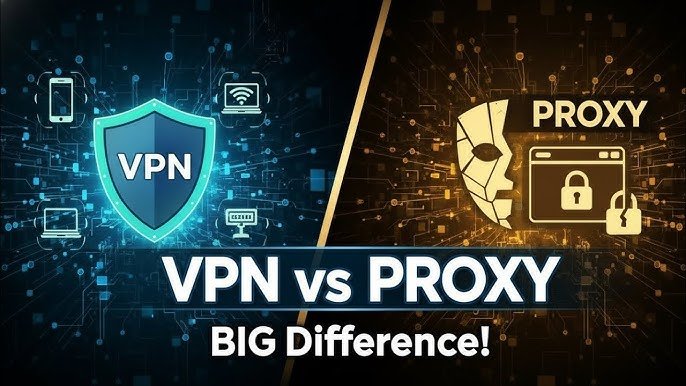
- Proxy = fastest because no encryption
- VPN = balanced (slight speed drop due to encryption)
- Tor = slowest (multiple relays add delay)
👉 This is the key insight most people miss:
The more private you are, the slower things get.
When Should You Use Each?
Use a VPN if:
- You want everyday privacy
- You stream Netflix or download files
- You use public WiFi
👉 Best overall choice for 90% of users.
Use a Proxy if:
- You just need to bypass a blocked website
- You don’t care about security
👉 Fast, but not for anything sensitive.
Use Tor if:
- You need maximum anonymity
- You’re dealing with censorship or surveillance
👉 Powerful, but impractical for daily use.
Price Comparison (Important Reality Check)
- Proxy: Free or very cheap (but risky)
- Tor: Free
- VPN: ~$2–$5/month
👉 Insight:
You’re not paying for access—you’re paying for trust and infrastructure.
Final Verdict (Straight Opinion)
- VPN = best balance (recommended)
- Proxy = quick hack, not real protection
- Tor = extreme privacy, poor usability
👉 My honest take:
If you just want to browse safely, stream, and not worry—use a VPN.
If you’re thinking about using a proxy for “privacy,” you’re probably misunderstanding what it actually does.
Best VPN Deals Right Now
NordVPN ⭐ 4.7/5
- 🔒 Military-grade encryption
- 🌍 60+ countries servers
- ⚡ Fast & stable streaming
Surfshark ⭐ 4.6/5
- 💸 Cheapest long-term plan
- 📱 Unlimited devices
- 🚀 Great for streaming
