Social media platforms have become central to modern communication. Millions of people share photos, messages, and personal updates every day. While these platforms offer many benefits, they also present privacy and security challenges.
One of the most common risks involves oversharing personal information. Details such as birthdays, travel plans, or home addresses can sometimes provide useful clues for cyber attackers.
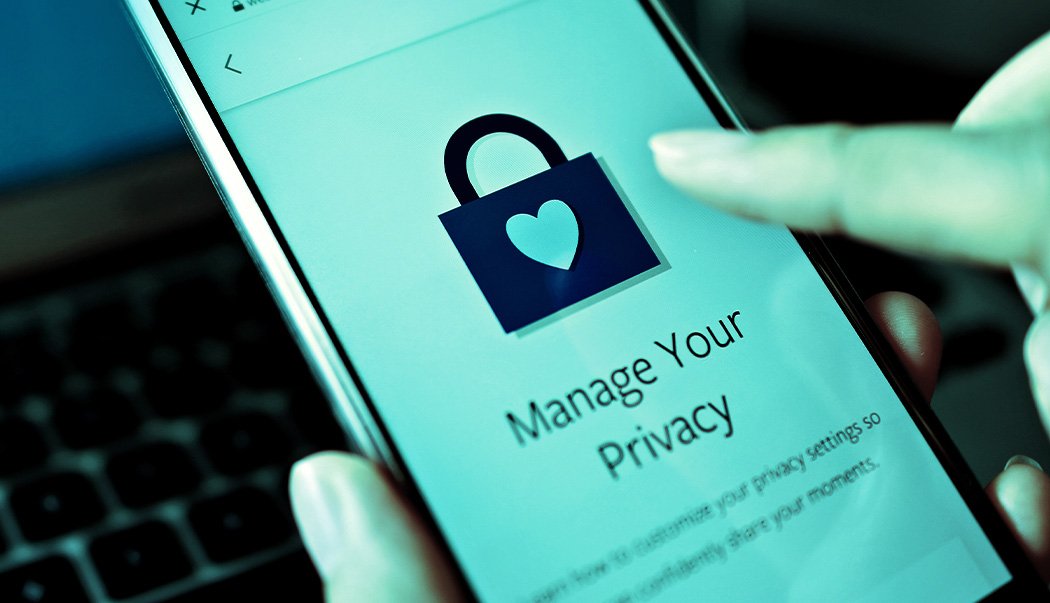
Privacy settings play an important role in controlling who can see your content. Most social media platforms allow users to limit visibility to friends or approved contacts.
Two-factor authentication is another essential security feature. By requiring an additional verification code during login, it significantly reduces the risk of unauthorized access.
Users should also be cautious about third-party apps connected to social media accounts. Some apps request extensive permissions and may collect unnecessary data.
Another overlooked risk involves account recovery options. Ensuring that recovery email addresses and phone numbers remain secure helps prevent attackers from taking control of accounts.
Suspicious messages are also common on social media platforms. Scammers sometimes impersonate friends or send links designed to steal login information.
Regularly reviewing security settings can help maintain account protection.
From personal experience, most social media security problems arise from small oversights rather than complex hacking techniques.
Final opinion: Social media can remain a safe and enjoyable space when users combine privacy settings, strong passwords, and cautious sharing habits.
