Phishing scams have become one of the most common forms of cybercrime. Instead of hacking systems directly, attackers attempt to trick users into revealing sensitive information such as passwords, credit card numbers, or personal data.
Phishing messages often appear as emails or text messages from well-known companies. They may claim there is a problem with your account, request verification details, or encourage you to click a suspicious link.
The most effective phishing attempts are carefully designed to appear legitimate. Logos, official-looking email addresses, and urgent language are commonly used to create a sense of trust.
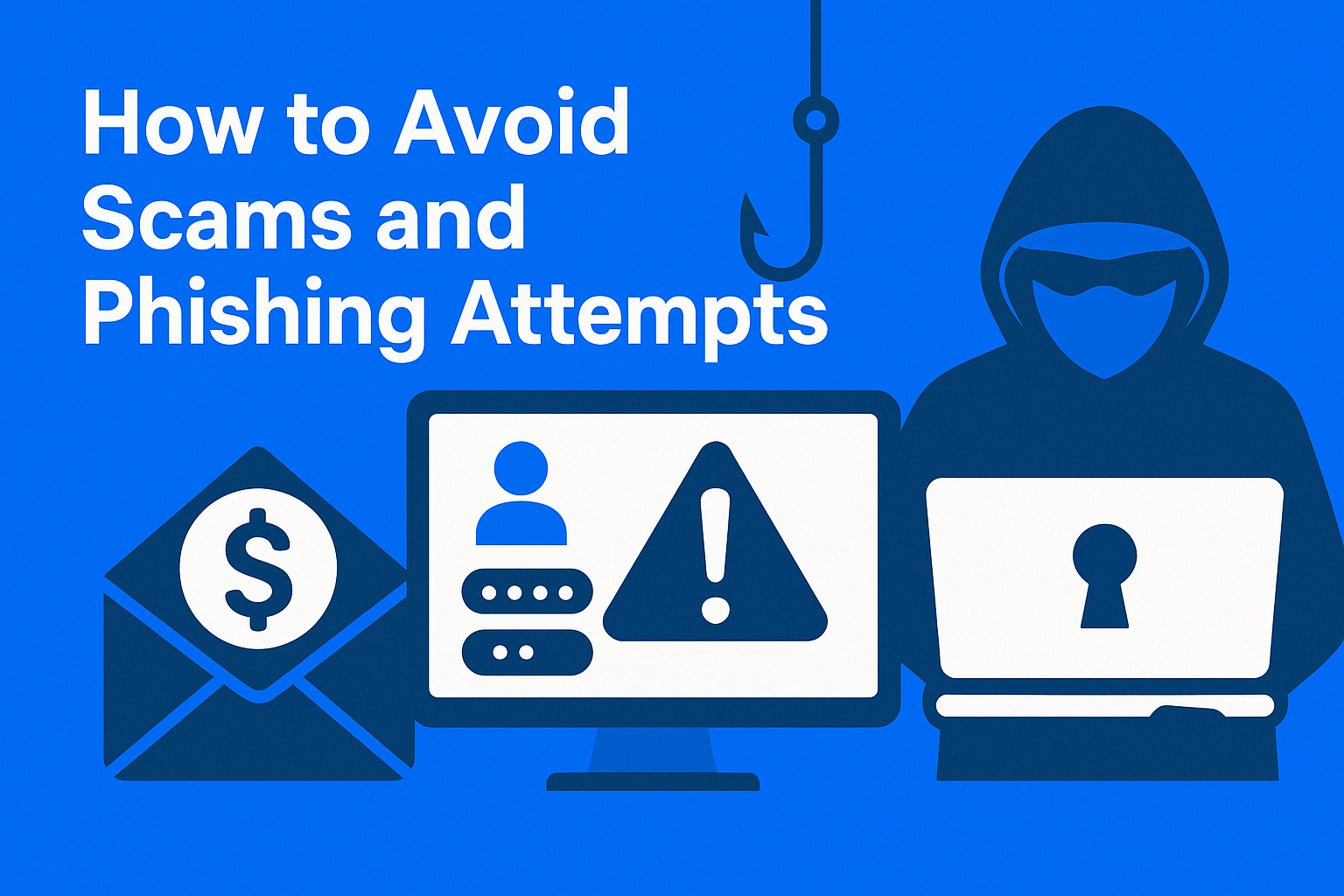
One of the easiest ways to detect phishing attempts is examining the sender’s email address. Many fraudulent messages come from addresses that look similar to official domains but contain small differences.
Links are another warning sign. Hovering over a link before clicking can reveal the actual destination. If the link leads to an unfamiliar or suspicious website, it should be avoided.
Security tools such as modern email filters and antivirus programs can help detect phishing attempts. However, no automated system is perfect.
Education remains the strongest defense. Users who understand how phishing works are much less likely to fall for these scams.
From personal observation, phishing emails often rely on urgency. Messages may claim that accounts will be suspended or payments are overdue. This pressure encourages quick reactions without careful verification.
Taking a moment to verify suspicious messages can prevent serious problems.
Final opinion: Phishing scams succeed mainly because they exploit human behavior. Developing cautious habits and verifying suspicious messages are the most effective defenses.
