VPNs were once a niche tool for tech-savvy users. In 2026, they’re marketed as a must-have for everything from streaming to personal security. But as operating systems, browsers, and networks evolve, the question is less about what VPNs can do—and more about whether they’re still necessary.
At its core, a VPN creates an encrypted “tunnel” between your device and the internet. That sounds complex, but the idea is simple: it hides your IP address and protects your data from being easily intercepted. This matters most on unsecured networks, like public Wi-Fi in airports or cafés, where data can otherwise be exposed.
But here’s the shift: many of the problems VPNs were built to solve are now partially addressed by default technologies.
Modern browsers enforce HTTPS encryption, which already secures most web traffic. Operating systems like iOS, Android, and Windows have tightened network-level protections. Even some ISPs have reduced invasive tracking under regulatory pressure. In everyday use, that means the average user is less vulnerable than they were five or ten years ago—VPN or not.
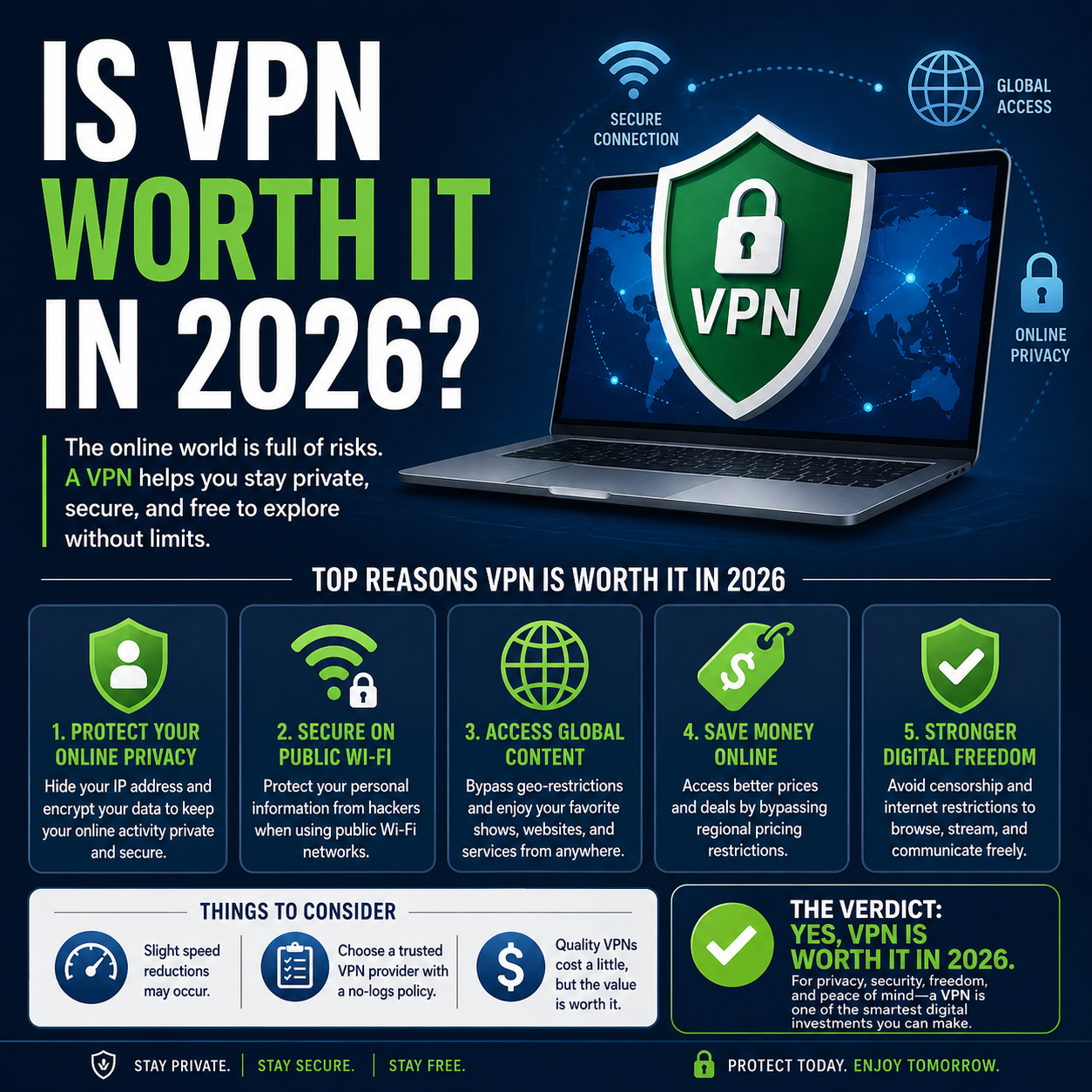
Still, VPNs offer benefits that built-in protections don’t fully replace.
Privacy remains the strongest argument. A VPN prevents your internet provider from seeing your browsing activity and masks your real location. For users in regions with heavy surveillance or censorship, this can be essential. It’s also useful for journalists, remote workers handling sensitive data, or anyone who prefers to minimize digital footprints.
Streaming and geo-unblocking, once a major selling point, has become less reliable. Platforms like Netflix and Disney+ have improved their VPN detection systems, making access inconsistent. Some premium VPNs still work, but it’s no longer guaranteed—and free services rarely succeed.
Performance is another trade-off. Routing your connection through a VPN server adds distance and processing overhead, which can slow speeds or increase latency. Premium providers have improved significantly with faster protocols like WireGuard, but the difference is still noticeable, especially for gaming or high-bandwidth tasks.
Then there’s the issue of trust.
Using a VPN means routing your data through a third-party provider. While reputable services claim no-logs policies, users are ultimately relying on those companies to handle sensitive information responsibly. In contrast, alternatives like Apple’s Private Relay or built-in DNS privacy features aim to distribute trust rather than centralize it.
Cost also plays a role. High-quality VPNs typically require subscriptions, while many competing privacy features are bundled into devices or services users already pay for. Free VPNs exist, but they often come with limitations—or worse, questionable data practices.
So how does a VPN compare to the alternatives?
For basic security, built-in protections are often enough. For casual users browsing at home, a VPN may add little noticeable benefit. But for privacy-conscious individuals, frequent travelers, or those dealing with restricted networks, a VPN still provides a meaningful layer of control.
In other words, it’s no longer essential for everyone—but it’s far from obsolete.
Conclusion: A VPN in 2026 is a targeted tool, not a universal necessity. If your priority is maximum privacy, secure access on public networks, or bypassing restrictions, it’s still worth the investment. But for everyday browsing on modern devices, the value is more situational than absolute—and understanding that distinction is key to making the right choice.

