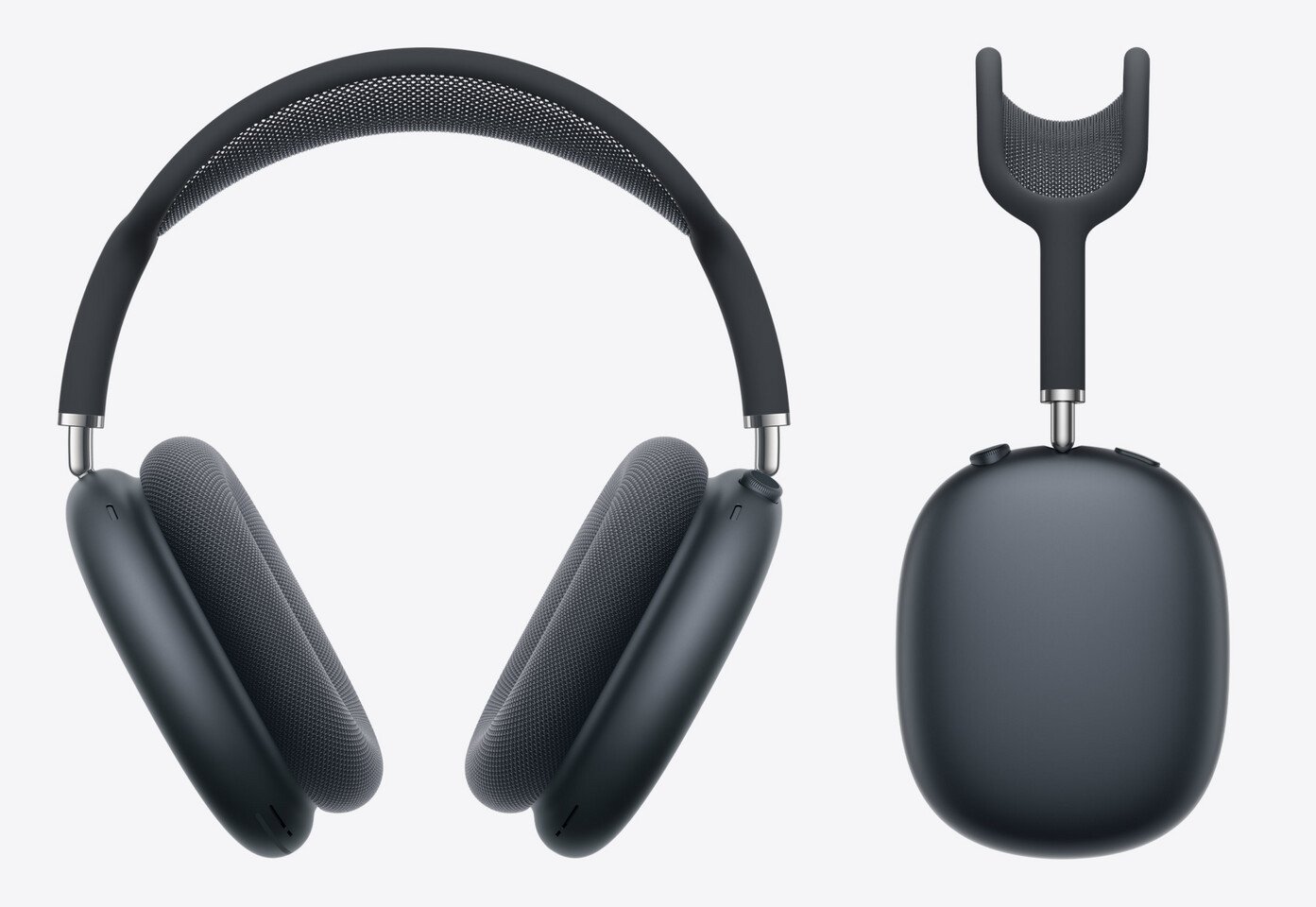
Apple has officially introduced the second generation of its premium over-ear headphones, AirPods Max 2, bringing a range of upgrades focused on sound quality, intelligent features, and creative tools. While the design remains familiar, the internal technology sees a major leap thanks to Apple’s H2 chip, which enables more advanced audio processing and smarter listening features.
One of the biggest improvements in AirPods Max 2 is Active Noise Cancellation (ANC). Apple claims the new model delivers up to 1.5 times more effective noise cancellation compared with the previous generation. This means common distractions such as airplane engines, subway rumble, or busy city environments can be filtered out more efficiently. Combined with upgraded computational audio algorithms and the headphone’s microphone array, the Transparency mode is also said to sound more natural, allowing users to stay aware of their surroundings without sacrificing audio clarity.
Sound quality has also received attention. Apple has added a high dynamic range amplifier, helping the headphones deliver cleaner audio with improved balance. Spatial Audio content benefits from better instrument separation and more accurate positioning, while bass response, mids, and highs are tuned for a more natural listening profile. Another notable addition is 24-bit, 48 kHz lossless audio support when connected via the included USB-C cable, something audiophiles and content creators will appreciate. This wired capability also enables ultra-low latency, making AirPods Max 2 more suitable for gaming and professional workflows such as music production in apps like Logic Pro.
Beyond sound improvements, Apple is also leaning heavily into smart features powered by the H2 chip and Apple Intelligence. Adaptive Audio can automatically balance noise cancellation and transparency depending on the environment. Conversation Awareness lowers audio when the user starts speaking, making quick conversations easier without removing the headphones. Live Translation introduces real-time language assistance, potentially turning the headphones into a helpful travel companion.
For creators, Apple has also introduced tools such as studio-quality audio recording and a camera remote function, which allows users to control photos or video recording from the Digital Crown. Voice Isolation improves call clarity by prioritizing the user’s voice while reducing background noise, while Loud Sound Reduction protects hearing by minimizing harsh environmental sounds.
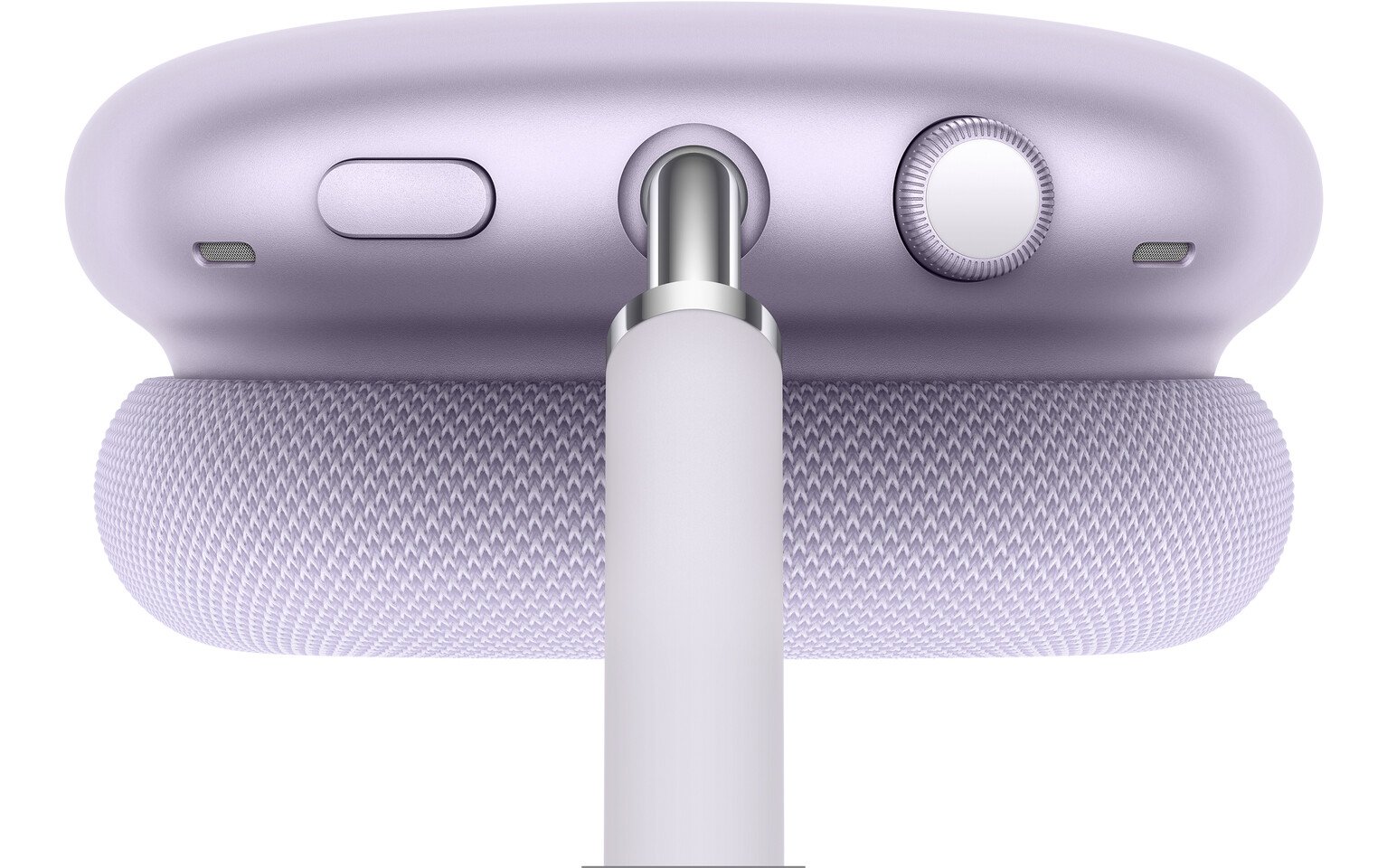
In terms of design, Apple hasn’t radically changed the look. AirPods Max 2 retain the signature aluminum ear cups, breathable mesh headband, and Digital Crown controls that defined the original model. However, the headphones now arrive in refreshed colors including midnight, starlight, orange, purple, and blue.
When compared with competitors in the same premium category—such as the Sony WH-1000XM5 or Bose QuietComfort Ultra—Apple continues to position AirPods Max as a luxury option. Sony and Bose still dominate in portability, battery efficiency, and often lower pricing. Apple, however, focuses more on ecosystem integration, spatial audio experiences, and creator-friendly features, which could appeal strongly to users deeply invested in Apple devices.
AirPods Max 2 will be available for order starting March 25, with shipments beginning early next month. Pricing starts at $549 in the United States, keeping it firmly in the high-end headphone segment.
Ultimately, AirPods Max 2 feels less like a radical redesign and more like a polished evolution of Apple’s flagship headphones. The improved noise cancellation and smarter features make the product more competitive, but the unchanged design and premium price may leave some buyers wondering if the upgrade is essential. Still, for users who value Apple’s ecosystem, spatial audio, and professional-grade tools, AirPods Max 2 could be one of the most compelling over-ear headphones in Apple’s lineup yet.
